

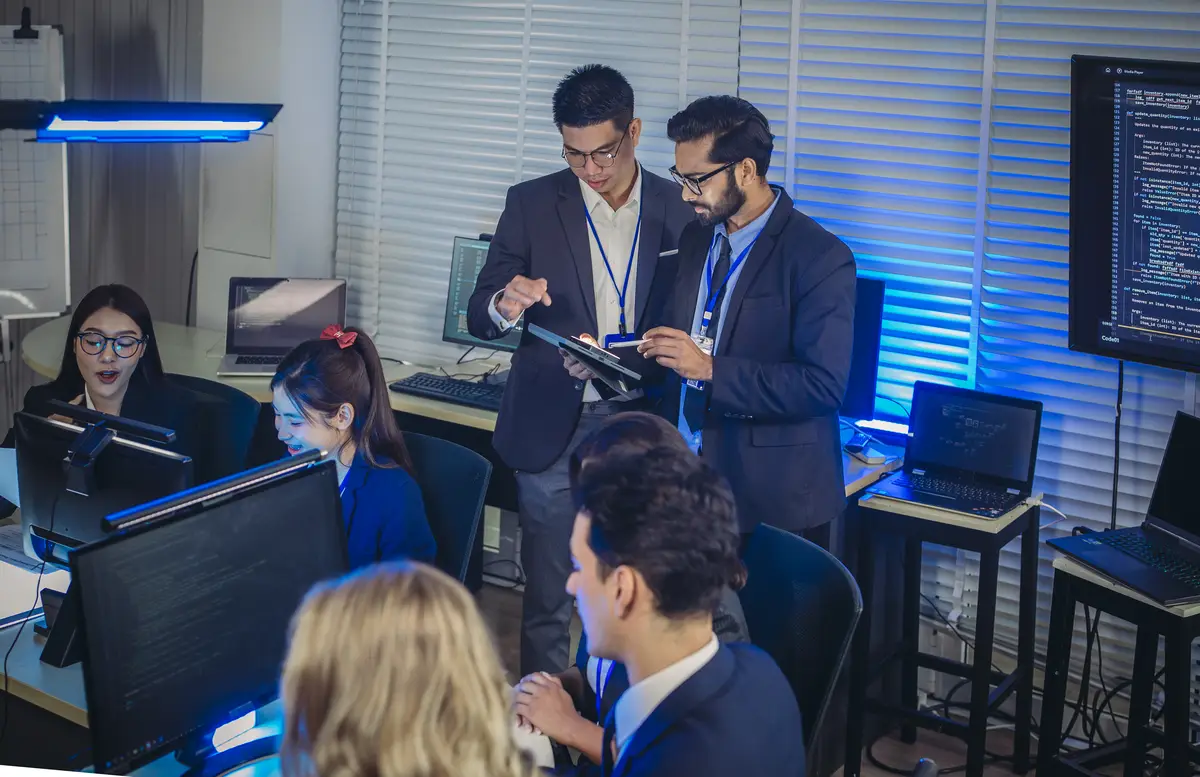
APRW media training is at the centre of the preparation of leaders, spokespeople, and teams to speak with clarity in front of the media and the people in general in 2026, as digital platforms, live broadcasts and social media continue to put individuals under the scrutiny of the populace. Responsiveness, accuracy and confidence of companies in today’s world in answering interviews make structured media preparation more significant than ever. One mishandled interview may impact the brand image, trust, and business. That is why most organisations invest in organised training instead of using intuition or improvisation.
The Importance of Media Training in 2026
By 2026, the media will not be confined to the conventional newspapers and television, as listeners get information in the form of podcasts, online news media, livestreams, and social networks. This implies that any speech made on behalf of an organisation can be taped, distributed and studied immediately. Training programs at APRW also make people know how to deal with such amounts of exposure without feeling overwhelmed or defensive. They get to know how to remain on point even when the questions are challenging. It is particularly significant in cases where the companies are under the scrutiny of the population or where the news stream is rapid.
Fundamental Attention Of APRW Media Training
APRW media training is aimed at creating a good communication base instead of memorised scripts and fixed answers. The participants are also taught to decipher the purpose of media questions and how to pose the answer in a clear and effective format. They get to know how to come back to core messages without coming out as evasive. One also talks about body language, tone of voice, and facial expressions since non-verbal communication will determine the reception of the messages. The basis of APRW training programs is to develop confidence that is natural and not artificial.
The Structures of APRW Training Programs
The construction of APRW training programs is based on the theory with practical learning, unlike theory, thus enabling the participants to develop skills through repetition. There are simulated interviews, press conference simulation and on-camera exercises that reflect actual media scenarios. Such simulations make the participants realise how they appear to the audience. The same is then given feedback to enhance clarity, posture, tone, and the passing of the message. Through this repetition process, the participants will be able to view their progress and feel confident about it. APRW media training is aimed at building skills that would last long after the sessions are over.
How to Deal with Hard-to-Answer questions
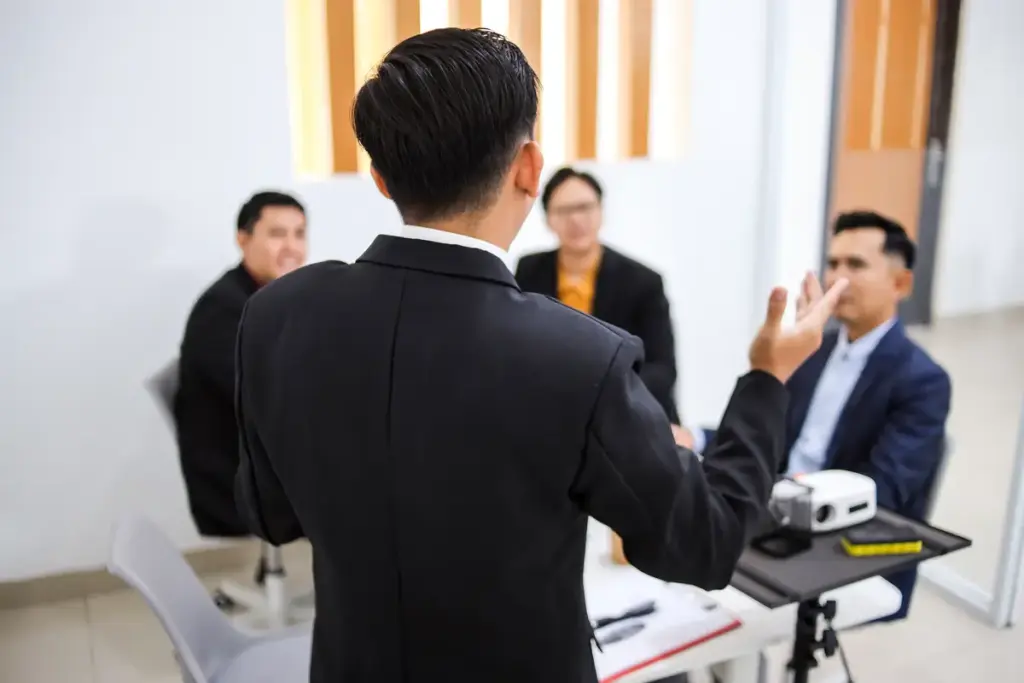
Difficult or unexpected questions are one of the greatest problems in the interview. Through the APRW media training, the participants learn how to keep calm when they are under pressure. They get to know how to respond to questions without getting sucked into negative or deceptive stories. Message bridging and reframing are some of the techniques that are applied to steer the conversation back to the vital issues. This enables speakers to be in charge of the discussion. Another effect of the APRW training program is that it enables the participants to avoid the common pitfalls, such as over-explaining or being defensive.
Creating Superior Spokespeople Within Organisations
APRW media training assists organisations to achieve credible spokespeople to represent the brand in an effective manner. This will make the organisational image more predictable when leaders and managers are trained to talk properly. This is more necessary when it is launching a product, making company announcements, and when there are crisis-related situations. APRW training programs can be used to match personal forms of communication with organisational values. This makes sure that messages do not sound disjointed between various departments and roles.
Role of Practice in the Training of Media
One of the largest components of APRW media training is practice, since communication skills are developed through practice and feedback. During the simulated interviews, participants are normally taped so that they can watch how they performed. This enables them to notice aspects that require changes, like eye contact or tone. These are then guided on how to perfect these aspects by trainers. The APRW training programs require the participants to practice until they are comfortable with their answers. This assists in making real-life media situations less terrifying. Even a complicated subject can be explained with proper practice.
Adjusting to New Media formats
Contemporary media has television, internet news, podcasts and social media, each having its own style and demands. c equips individuals to change their message to fit various formats. A live television interview, as an example, will have to be paced differently from a podcast discussion. The participants get to know how to vary their tone and the length of the message. The training programs of APRW also cover the methods of social media communication that can be based on quick or emotional reactions. This assists organisations to have the same professional and uniform voice in all the channels.
Advantages Of Structured Mediatraining
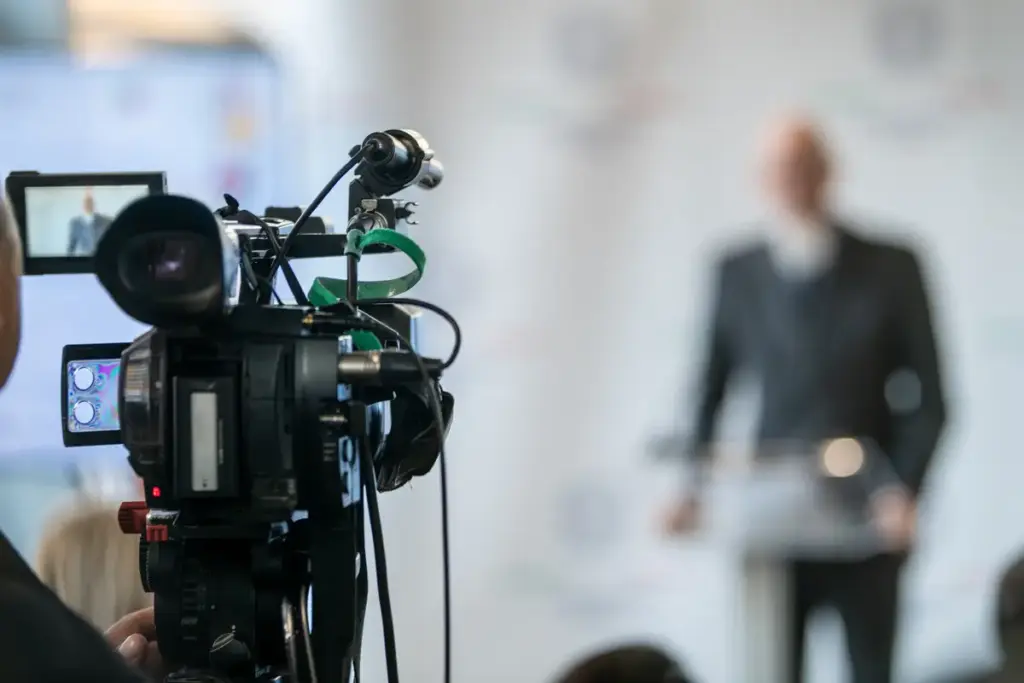
Formalised APRW media training takes advantage of long-lasting value beyond a one-time interview or campaign. The participants gain confidence to be good speakers, hence able to represent their organisations clearly. They are more equipped to deal with situations that are not foreseen and hard-to-answer questions. Risk of miscommunication or reputational damage is also minimised in the APRW training programs. In the long run, this results in closer relationships with journalists and audiences. Companies that invest in training have been known to experience improved and trustworthy communication in the eyes of the people.
Major Elements of APRW Media Training
- Development and clarity of message.
- On-camera interview practice entails the following: The interview will be videotaped and transcribed after the interview session.
- Dealing with problematic questions.
- Controllable voice, tone and body language.
APRW Media Training Program Overview
| Training Area | What It Covers | Why It Matters |
|---|---|---|
| Message Development | Structuring clear key messages | Ensures consistency |
| Interview Simulation | Mock media interviews | Builds confidence |
| Question Handling | Managing tough questions | Protects credibility |
| On-Camera Skills | Body language and tone | Improves presentation |
| Platform Adaptation | TV, digital, and social media | Supports modern communication |
Conclusion
The APRW media training remains a crucial tool that any organisation wishing to speak with confidence, clarity and professionalism in 2026 should have, with the media landscape becoming more dynamic and far quicker. With well-executed APRW training programs, people know how to approach interviews, press interactions and how to interact with the people at large in a manner that safeguards their reputation. It helps their organisations to achieve their objectives. The APRW media training will make participants effective and reliable spokespeople by paying attention to practice, message control, and platform awareness. The abilities contribute to the credibility of the brand in the long-term market and better relations with the people.
About the Author
Ginny-Ann Oh is a communications strategist at APRW with extensive experience in public relations, brand communications, stakeholder engagement, and corporate reputation management. She has led communications for national campaigns, major events, and brand launches across the public and private sectors, helping organisations build meaningful connections with their audiences.